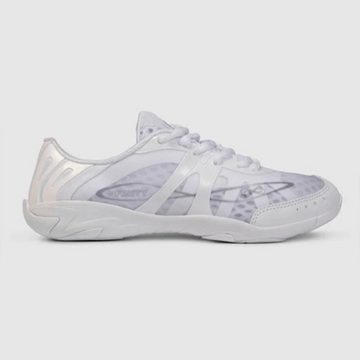
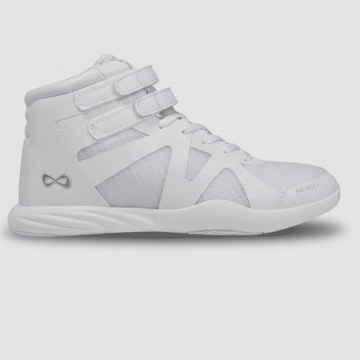
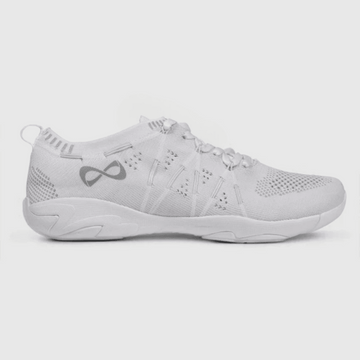
If you're new to cheerleading, you might wonder if you really need specific cheer shoes. Would it be possible to wear your regular sneakers?
Many athletes and parents ask the same question when starting out or trying to save on apparel. Cheer shoes serve a specific purpose in cheerleading.
From stunting safety to performance enhancement, the difference matters more than you think.
What Makes Cheer Shoes Different From Regular Shoes?
Several factors differentiate cheer shoes from regular athletic shoes:
1. Design With a Purpose
At first glance, cheer shoes and running shoes may look similar. However, the purpose behind their design is completely different.
-
Cheer shoes: Built for stunting, tumbling, jumping, and long sideline performances.
-
Regular sneakers: Designed for running or gym workouts, focusing on heel strike absorption and general movement.
Think of it like wearing hiking boots to ballet—it's just not designed for the demands of cheerleading.
2. Weight: Lighter Than You'd Expect
High-quality cheer shoes (like Nfinity Flyte or Vengeance) are noticeably lighter than regular sneakers.
-
Cheer shoes: As light as 3.5–6 oz
-
Regular sneakers: Often 8–12 oz or more
Lighter shoes help with jumps, stunts, and endurance—especially important for flyers.
3. Grip and Sole Construction
Cheer shoes use specialized grip patterns that provide traction on mats and gym floors without interfering with stunts.
-
Cheer shoe soles: Flat, flexible, with stunt-friendly grip and smooth sidewalls.
-
Sneaker soles: Aggressive treads designed for running, which can interfere with grips and stunts.
Deep tread patterns can make it harder for bases to get a secure grip on a flyer's foot.
4. Support Where You Need It
Cheerleading requires both impact protection and flexibility.
-
Cheer shoes: Provide arch support, secure heel cups, and ankle alignment while allowing natural movement.
-
Sneakers: Often feel overly cushioned, reducing floor feel and control.
Mid-top cheer shoes can offer added ankle support for bases and outdoor performances.
5. Flexibility and Foot Control
Cheer shoes are designed for maximum flexibility, allowing natural foot articulation for jumps and landings.
-
Cheer shoes: Allow you to point, flex, and feel the floor.
-
Regular sneakers: Restrict midfoot and toe movement.
This is especially important for flyers who rely on precise foot positioning.
6. Appearance and Team Aesthetics
Uniform appearance matters in cheerleading.
-
Cheer shoes: Clean, uniform colors (usually white or black) that match team aesthetics.
-
Regular sneakers: Often colorful and mismatched across the team.
Many coaches enforce team shoe policies for a polished look on the mat.
7. Cleanability and Durability
Cheer shoes are built for mats, gym floors, turf, and sidelines—and are easier to clean and maintain.
Regular sneakers absorb dirt more easily and aren't designed for quick clean-ups.
8. Stunting Safety and Teamwork
This is one of the most important differences.
-
Cheer shoes: Provide safer grips for bases and stable footing for flyers.
-
Regular sneakers: Can slip or block proper grip, increasing injury risk.
Improper shoes can also strain the hands and wrists of bases during stunts.
9. Cost vs. Performance
While cheer shoes may seem like an extra expense, they often cost the same or less than premium athletic sneakers.
- Designed specifically for safe, high-level cheer performance.
- Reduce injury risk and improve performance long-term.

Quick Recap
| Feature |
Cheer Shoes |
Regular Sneakers |
| Weight |
Ultra-light (3.5–6 oz) |
Heavier (8–12 oz) |
| Grip |
Flat, stunt-ready |
Deep treads may snag |
| Flexibility |
High (great for jumps & stunts) |
Moderate to low |
| Safety |
Designed for stunting & tumbling |
Not safe for stunts |
| Look |
Clean, uniform appearance |
Often mismatched |
| Cleanability |
Easy to clean |
Harder to maintain |
Final Words
To non-cheer athletes, most athletic shoes may look the same. But the difference becomes obvious the moment you step onto the mat.
Cheer shoes aren't optional. They're essential for safety, performance, and team presentation.
Whether you're a beginner or a competitive flyer heading to nationals, the right shoes help you feel stable, confident, and connected to your team.
Frequently Asked Questions
What is the difference between cheer shoes and regular sneakers?
Cheer shoes are designed specifically for cheerleading movements, while regular sneakers are built for broader everyday or athletic activities. Cheer shoes typically prioritize a lightweight feel, flexibility, grip, and a design suited to jumps, tumbling, stunts, and dance movements.
Can you wear regular sneakers for cheerleading?
You can physically perform cheerleading in regular sneakers, but they may not be the best choice. Running and everyday sneakers are designed for different types of movement and may feel heavier or less suitable for the quick footwork, jumps, tumbling, and stunts used in cheerleading.
Are cheer shoes better than regular sneakers?
For cheerleading, purpose-built cheer shoes are generally the better choice because they are designed around the movements and surfaces involved in the sport. Regular sneakers can make sense for general training or everyday wear, but they are not specifically designed for cheer.
Can you use running shoes for cheerleading?
Running shoes are designed primarily for forward movement and running. Cheerleading involves much more than running, including jumps, stunts, tumbling, and quick changes in direction. A cheer shoe is designed with those movements in mind.
Why are cheer shoes so lightweight?
Cheerleaders repeatedly jump, tumble, stunt, and move around the mat during routines. A lightweight shoe can feel less noticeable on the foot and make it easier to move naturally compared with a heavier everyday sneaker.
Do cheer shoes have better grip than regular sneakers?
Cheer shoes are designed with the surfaces and movements of cheerleading in mind. The sole needs to provide a secure feel while athletes jump, land, stunt, tumble, and move across the performance surface. Regular sneakers can have tread patterns designed for completely different activities.
Are cheer shoes more flexible than regular sneakers?
Many cheer shoes are designed to provide the flexibility needed for cheer movements. This can make them feel different from running or everyday sneakers, which may use different sole constructions depending on their intended purpose.
Why can't I just wear my regular athletic shoes for cheer?
You can wear them, but they may not give you the same feel as a cheer shoe. Regular athletic shoes are designed for activities such as running, walking, or general training, while cheer shoes are made specifically around cheerleading movements.
Are cheer shoes good for running?
Cheer shoes are primarily designed for cheerleading, not distance running. If you need shoes for running, choose footwear designed specifically for running rather than using your cheer shoes as a replacement.
Are cheer shoes good for walking?
You can walk in cheer shoes, but their main purpose is cheerleading. If you need a shoe for long walks or everyday use, a walking or everyday athletic shoe may be more appropriate.
Do cheer shoes help with jumps?
Cheer shoes do not replace proper technique or training, but the right shoe can provide the lightweight, flexible feel athletes often want when performing jumps. Your jump technique, strength, flexibility, and training remain the most important factors.
Are cheer shoes different for tumbling?
Some cheer shoes may be better suited to athletes who prioritize tumbling, while others are designed as more versatile options. When choosing a shoe, consider its weight, flexibility, grip, fit, and whether it suits the way you train and perform.
What type of shoes do cheerleaders wear?
Cheerleaders typically wear lightweight cheer shoes designed for the specific demands of cheerleading. The right style depends on the athlete's role, routine, preferences, and whether they need a shoe for tumbling, stunting, jumps, or all-around cheer.
What are the best cheer shoes compared with regular sneakers?
The best cheer shoe depends on what you need from it. If you prioritize a lightweight and flexible feel, look at shoes designed around those features. If you need a more versatile option for jumps, tumbling, and stunting, consider an all-around cheer shoe rather than a general-purpose sneaker.
Can I wear cheer shoes outside?
It is better to keep your cheer shoes for their intended use whenever possible. Walking outside can expose the outsole to dirt and debris that you do not want to bring onto a gym floor or competition surface.
How should cheer shoes fit?
Cheer shoes should fit securely without feeling painfully tight or leaving excessive space around the foot. Your heel should stay secure, your toes should have enough room to sit naturally, and the shoe should not slide around when you move.
Are high-top cheer shoes better than regular sneakers?
Not necessarily. High-top, mid-top, and low-top cheer shoes offer different levels of ankle coverage and feel. The better option depends on your preferences, fit, and the movements you perform. A high-top cheer shoe is still purpose-built for cheer, unlike a regular high-top sneaker.
Should beginners wear cheer shoes?
Yes. Beginners can benefit from starting with a proper cheer shoe rather than waiting until they become more advanced. The important thing is choosing a comfortable shoe that fits correctly and suits the type of cheer they are learning.
Do school cheerleaders need cheer shoes?
If the team requires cheer shoes, athletes should follow the team's footwear requirements. Even when school cheer includes sideline performances, cheer shoes can provide a more appropriate option for jumps, stunts, tumbling, and other cheer movements than regular sneakers.
Do All-Star cheerleaders wear regular sneakers?
All-Star athletes generally use cheer-specific footwear for practices and competitions rather than everyday sneakers. The exact shoe depends on the athlete, team, competition requirements, and personal preference.
Can cheer shoes be used for other sports?
Cheer shoes are specialized footwear. They may work for some light training activities, but they should not automatically replace shoes designed specifically for running, basketball, soccer, or other sports.