






Is Cheerleading a Sport? A Complete Guide
Yes, cheerleading is a real sport because it requires athletic training, physical strength, technical skill, teamwork, rules, and organized competition, and also cheerleaders are athletes because they take part in the game and they perform demanding skills such as stunts, tumbling, and jumps, while judges evaluate their routines using established competition criteria.
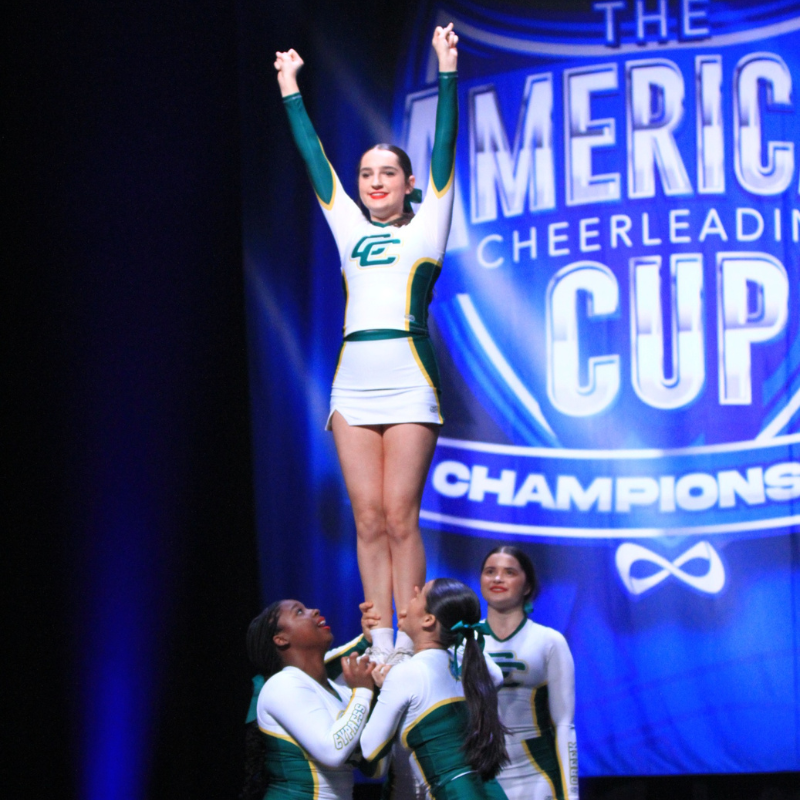
Every cheerleader gets excited when the debate comes up: "Is cheerleading a sport?" You just want everyone to see that cheerleaders are athletes too. What began as a sideline activity has evolved into an exciting sport that showcases athletic skill, precise coordination, and team spirit.
In this article
The simple answer: Yes. Cheerleading is a sport. Below, we’ll explore its history and what makes it a sport.
Does Cheerleading Meet the Definition of a Sport?
One simple way to answer "cheerleading is a sport" is to look at what the word "sport" actually means.
Definition of “Sports” According to Oxford Learner’s Dictionaries:
“Activity that you do for pleasure and that needs physical effort or skill, usually done in a special area and according to fixed rules."
Cheerleading meets these basic definitions. Cheerleaders train their bodies to perform physically demanding skills, including jumps, tumbling, stunts, dance, and lifts. They perform these skills according to established rules and are evaluated in organized competitions based on specific judging criteria.
And more things in the same place:
The definition of "athlete" according to Oxford Learner’s Dictionaries is
“a person who competes in sports ”
Cheerleaders train to develop the physical skills needed for their sport and compete against other teams under established competition rules.
So, based on the basic definitions of sport and athlete, cheerleading meets the key requirements of both.

What Is Cheerleading?
Cheerleading is a team activity and competitive sport that combines stunts, tumbling, jumps, dance, choreography and coordinated movement. Cheerleaders train these skills individually and as a team, depending on the type of cheerleading they participate in.
There are two common forms: sideline cheerleading, which supports sports teams at games and events, and competitive cheerleading, where teams perform routines in organized competitions and receive scores from judges. So there are two more questions that arise: are they both real sports? like
Is Competitive Cheerleading a Sport?
Yes. Competitive cheerleading is a sport because teams train for organized competitions where they perform routines under defined rules and are evaluated by judges. During competitions, judges score routines according to the rules for the relevant division and level.
Is Sideline Cheer a Sport?
Sideline cheer is different from competitive cheer because its main purpose is to support a sports team during games and events. Cheerleaders lead chants, perform dances, entertain the crowd and may perform stunts or other skills.
Whether sideline cheer is considered a sport can depend on how the term “sport” is being defined. Sideline cheer involves athletic training and physical skills, but it does not always involve the same judged competition structure as competitive cheer.
So, then, are cheerleaders athletes?
Yes. Cheerleaders who train and compete in athletic cheerleading are athletes. What makes a person an athlete includes physical training, technical skill, coordination, strength, flexibility and repeated practice, which all are in cheerleading, so every cheerleader is an athlete.
The Origins of Cheerleading
Johnny Campbell introduced cheerleading at the University of Minnesota in 1898. Known as the “father of cheerleading,” he played a key role in shaping what has become a cornerstone of American sports culture. Cheerleading began as team support, by the 1960s, school competitions introduced judging based on stunting, skill, and performance, helping cheerleading gain recognition as a true athletic activity.
The Evolution: Sidelines to Center Stage
- 1960s–1980s: Cheerleading became more organized and competitive.
- 1980s: ESPN broadcasts boosted popularity, bringing elite routines into living rooms worldwide.
- 2004: The ICU helped standardize international competition rules.
Today, cheerleading includes two main forms: competitive cheer and sideline cheer for sports teams.
Cheerleading as a Sport: Meeting the Criteria
According to standard definitions, sports involve:
-
Physical effort
-
Technique and skill
-
Rules-based competition
Cheerleading meets all of these criteria.
1. Physical Demands
Cheerleaders train year-round to build strength, flexibility, and endurance. Tumbling passes and partner stunts demand peak physical conditioning equivalent to gymnastics or football.
2. Strategy and Skill
Routines require precise timing, choreography, and intense teamwork. Teams spend months designing creative, high-difficulty performances where every second counts.
3. Rules and Judging
Competitive cheerleading follows strict safety guidelines and scoring systems. Certified judges evaluate performance, technique, and execution under formal competition standards.
4. Organized Competitions
National and international championships provide a structured platform for cheerleaders worldwide to compete at elite levels.
The Competitiveness of Cheerleading
Cheerleading is highly competitive. Teams are judged on difficulty, execution, perfect timing, creativity, and presentation.
Events like the World Cheerleading Championships have elevated the sport globally. Cheerleaders now compete at elite levels, showcasing complex routines and advanced athletic skills.
The Case for Cheerleading as a Sport
- Requires peak physical fitness through constant training.
- Features organized competitions with formal, objective judging.
- Operates under strict safety and performance regulations.
- Demands advanced individual skills, teamwork, and strategic planning.
Cheerleaders train year-round, just like athletes in traditional sports. Strength training, tumbling, choreography, and conditioning are core components.
Conclusion: Is Cheerleading a Sport?
Cheerleading demands agility, strength, coordination, and bravery. Athletes perform high-risk stunts, intense tumbling passes, and perfectly timed routines.
When asked, “Is cheerleading a sport?” the answer is undeniable:
Cheerleading is a competitive, physically demanding sport that deserves the same respect as any other athletic discipline.
Frequently Asked Questions
Is cheerleading a real sport?
Yes. Competitive cheerleading is a sport because it involves physical training, technical skills, organized competition, rules and judging. Athletes train to perform skills such as tumbling, jumps and stunts as part of structured routines.
Is sideline cheer a sport?
Sideline cheer is different from competitive cheer because its primary purpose is to support a sports team during games and events. It still involves physical skills, training and athletic performance, but it does not always have the same competitive structure as competitive cheer.
Are cheerleaders athletes?
Yes. Cheerleaders who train and perform athletic skills are athletes. Competitive cheer can require strength, flexibility, coordination, endurance, tumbling ability and technical skill.
What makes cheerleading a sport?
Cheerleading combines physical training, technical skill, teamwork, rules and organized competition. Competitive cheer teams train repeatedly to perform demanding routines and are judged against established competition standards.
Is school cheerleading a sport?
It depends on the type of school cheer program. Some school cheer teams primarily support other sports, while others compete in organized cheer competitions. Competitive school cheer has the training, rules and judging associated with a sport.
Is all-star cheerleading a sport?
Yes. All-star cheerleading is a competitive form of cheerleading in which teams train and compete against other teams in organized events. Routines can include stunts, tumbling, jumps, dance and choreography and are evaluated by judges.
Gear Up
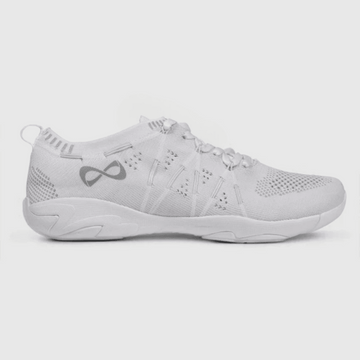
The Nfinity Vengeance is the lightweight, competition-ready shoe trusted by elite cheerleaders.
Shop the Vengeance →